
In modern households, home appliances play a crucial role in maintaining comfort, convenience, and efficiency in daily routines. Among these appliances, cloth dryers have become increasingly important, especially in busy residential areas like Al Shindagha where fast-paced lifestyles leave little time for traditional drying methods. Whether it’s humid weather, limited outdoor space, or time constraints, a reliable dryer ensures clothes are dried quickly, hygienically, and efficiently.
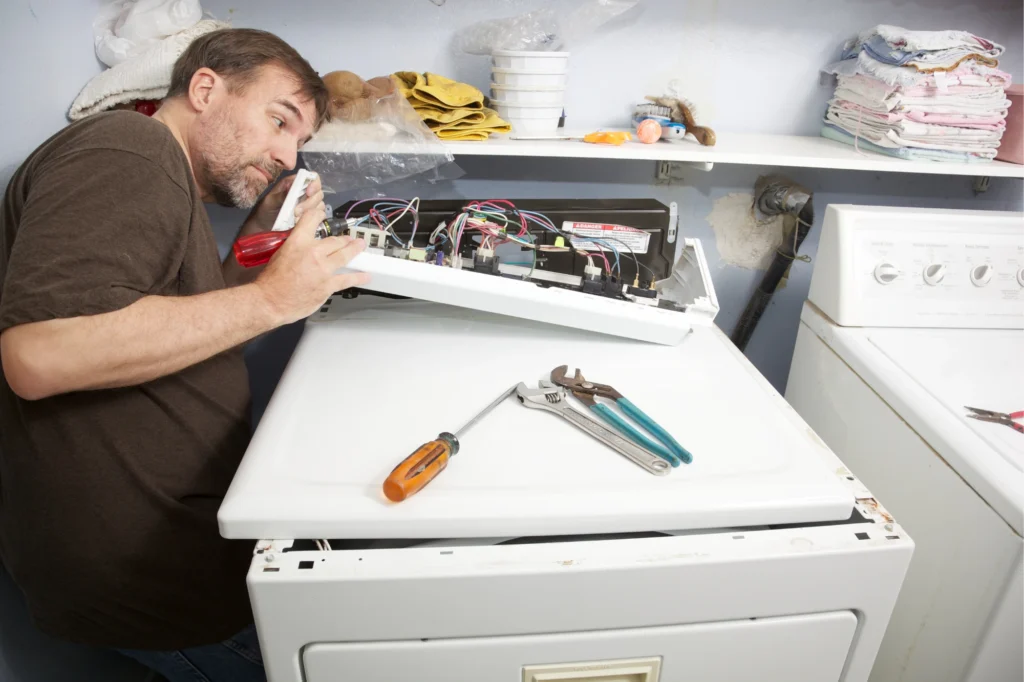
Indesit cloth dryers are widely known for their durability, performance, and user-friendly features. However, like all appliances, they are not immune to wear and tear. Over time, frequent use can lead to technical issues such as heating problems, airflow blockages, motor faults, or sensor errors. When these issues arise, professional Indesit cloth dryer repair Al Shindagha services become essential to restore functionality and prevent further damage.
Benefits of Using Indesit Cloth Dryers
1. Fast Drying Performance
Indesit dryers are designed to deliver quick and consistent drying results. With advanced heating systems and efficient drum movement, clothes dry evenly in less time.
2. Energy Efficiency
Modern Indesit dryers are built with energy-saving technology. They optimize power consumption while maintaining high performance, helping reduce electricity bills.
3. Fabric Protection
Different drying programs ensure delicate fabrics such as wool, silk, and synthetics are handled with care. This prevents shrinkage and damage.
4. User-Friendly Controls
Simple control panels and preset programs make it easy for users to operate the dryer without technical knowledge.
5. Large Capacity
Indesit dryers come in various sizes, allowing households to handle large laundry loads efficiently.
Common Indesit Cloth Dryer Pain Points in Al Shindagha (Detailed Pain Points Guide)
Even high-quality appliances like Indesit cloth dryers can develop faults over time, especially in busy households where they are used frequently. In areas like Al Shindagha, where fast-paced lifestyles demand quick and efficient laundry solutions, any dryer malfunction can quickly become a major inconvenience. Understanding these common pain points helps homeowners identify issues early, avoid costly breakdowns, and seek timely professional repair services.
Below is a detailed explanation of the most common Indesit cloth dryer problems, including their real-life impact on daily routines.
1. Dryer Not Heating
One of the most common and frustrating problems is when the dryer runs but does not produce heat. This issue directly affects the appliance’s core function—drying clothes.
Symptoms:
Users often notice that clothes remain damp even after a full drying cycle. The dryer may appear to function normally, but there is little to no heat inside the drum. Drying cycles may take much longer than usual, leading to repeated runs.
Causes:
This issue is usually caused by a faulty heating element, a broken thermostat, or a blown thermal fuse. Electrical issues or wiring faults can also interrupt the heating system.
Impact:
A dryer without heat becomes almost useless. Clothes stay wet, forcing users to run multiple cycles, which increases electricity consumption and utility bills. In humid environments, damp clothes can also develop unpleasant odors or even mildew.
Solution:
Professional technicians diagnose the heating system and replace damaged components such as the heating element or thermostat. Timely repair restores proper heat generation and ensures efficient drying performance.
2. Dryer Not Starting
Another major issue faced by residents is when the dryer does not start at all. This can be particularly stressful when laundry piles up and there is no immediate solution.
Symptoms:
The dryer shows no response when the power button is pressed. The control panel may remain completely inactive, and no lights or sounds indicate operation.
Causes:
Common causes include power supply interruptions, a faulty door switch, or a defective control board. In some cases, internal wiring issues may also prevent the dryer from starting.
Impact:
This problem completely halts laundry activities, causing delays in daily routines. For families with busy schedules, this can create significant inconvenience, especially when clean clothes are urgently needed.
Solution:
Technicians inspect the electrical system, check the power supply, and test the control board. Faulty components are repaired or replaced to restore normal functionality.
3. Drum Not Rotating
A dryer that turns on but fails to rotate the drum cannot perform its function properly. This issue often indicates a mechanical or motor-related fault.
Symptoms:
The dryer powers on, but the drum does not spin. Clothes remain in one position, and heat (if present) is not distributed evenly.
Causes:
This problem is commonly caused by a broken drive belt, motor failure, or worn-out rollers. Overloading the dryer can also contribute to mechanical strain.
Impact:
Without drum rotation, clothes do not tumble, leading to uneven drying. Some garments may remain wet while others become overheated. This not only wastes time but can also damage fabrics.
Solution:
Professional repair involves inspecting the motor system, replacing broken belts, and repairing worn components. Proper maintenance prevents further mechanical damage.
4. Excessive Noise
Unusual noises coming from the dryer are a clear sign that something is wrong internally. While some operational sound is normal, loud or irregular noises should never be ignored.
Symptoms:
Users may hear grinding, banging, squeaking, or rattling sounds during operation. The dryer may also vibrate excessively, especially during spin cycles.
Causes:
Loose internal parts, worn bearings, damaged rollers, or foreign objects stuck inside the drum can all cause noise issues.
Impact:
Excessive noise not only disturbs the household but also indicates potential internal damage. Ignoring these sounds can lead to more serious mechanical failures, increasing repair costs over time.
Solution:
Technicians perform a detailed inspection to identify the source of the noise. Worn components are replaced, and loose parts are secured to restore smooth and quiet operation.
5. Airflow Problems
Proper airflow is essential for efficient drying. When airflow is restricted, the dryer cannot function effectively and may even become dangerous.
Symptoms:
Common signs include overheating, longer drying cycles, and a burning smell. Clothes may come out hotter than usual but still damp.
Causes:
Blocked lint filters, clogged ventilation ducts, or improper installation can restrict airflow. Accumulated lint and debris are the most common culprits.
Impact:
Poor airflow reduces drying efficiency, increases energy consumption, and puts strain on internal components. In severe cases, lint buildup can become a fire hazard, posing serious safety risks.
Solution:
Regular cleaning of lint filters and ventilation ducts is essential. Professional technicians may perform deep cleaning of the exhaust system to ensure proper airflow and safe operation.
Why These Pain Points Should Not Be Ignored
Ignoring dryer issues can lead to:
- Increased electricity bills due to inefficient performance
- Permanent damage to internal components
- Reduced lifespan of the appliance
- Safety hazards such as overheating or electrical faults
- Repeated breakdowns requiring costly repairs
Early detection and timely repair can prevent these outcomes and keep your dryer functioning efficiently.
How These Issues Affect Daily Life in Al Shindagha
In a busy residential area like Al Shindagha, where families rely heavily on modern appliances, a malfunctioning dryer can disrupt daily routines significantly. Laundry delays can affect work schedules, school routines, and overall household management. Additionally, the region’s climate makes quick and reliable drying essential, increasing dependence on dryers.
Signs You Need Indesit Cloth Dryer Repair Al Shindagha
- Dryer not heating properly
- Clothes taking too long to dry
- Loud or unusual noises
- Burning smell during operation
- Error codes appearing on display
- Dryer stopping mid-cycle
Ignoring these signs can lead to more serious and costly repairs.
Indesit Dryer Error Codes Explained (Complete Guide)
Modern Indesit dryers are equipped with advanced diagnostic systems that display error codes whenever a fault is detected. These error codes act as a built-in communication tool, helping users and technicians quickly understand what is wrong with the appliance. Instead of guessing the issue, these codes provide clear direction for troubleshooting and repair, saving both time and money.
Understanding these error codes is especially important in busy households where dryers are used frequently. Early identification of faults can prevent small issues from turning into major breakdowns, ensuring the appliance continues to operate efficiently and safely.
Below is a detailed explanation of the most common Indesit dryer error codes, including their meaning, causes, impact, and solutions.
E1 – Heating System Error
Meaning:
The E1 error code indicates a malfunction in the dryer’s heating system. This means the appliance is unable to generate the required heat to dry clothes effectively.
Causes:
- Faulty heating element
- Defective thermostat
- Blown thermal fuse
- Electrical wiring issues
Impact:
When this error occurs, the dryer may continue running but without producing heat. As a result, clothes remain damp even after a full cycle. Users may notice longer drying times and increased energy consumption due to repeated cycles. In humid conditions, this can also lead to unpleasant odors in clothes.
Solution:
Professional technicians inspect the heating system thoroughly. Damaged components such as the heating element or thermostat are replaced, and electrical connections are repaired. Once fixed, the dryer regains its ability to generate consistent heat.
E2 – Sensor Fault
Meaning:
The E2 error code points to a problem with the temperature sensor (thermistor), which is responsible for monitoring and regulating heat inside the dryer.
Causes:
- Faulty or damaged thermistor
- Loose or broken wiring
- Sensor misalignment
- Wear and tear over time
Impact:
A malfunctioning sensor can cause incorrect temperature readings, leading to overheating or underheating. Overheating may damage clothes or internal components, while underheating results in inefficient drying. This imbalance affects both performance and safety, making it important to address the issue promptly.
In some cases, the dryer may stop mid-cycle or fail to complete the drying program properly. Users may also notice inconsistent results, where some clothes are overdried while others remain damp.
Solution:
Technicians test the thermistor to check its resistance and accuracy. If faulty, it is replaced with a new one. In minor cases, recalibration or fixing loose wiring can resolve the issue. Proper sensor function ensures stable temperature control and efficient drying cycles.
E3 – Motor Error
Meaning:
The E3 error code indicates a failure in the dryer’s motor system, which is responsible for rotating the drum during operation.
Causes:
- Motor burnout
- Worn-out motor components
- Electrical faults in the motor circuit
- Overloading the dryer
Impact:
When the motor fails, the drum cannot rotate properly. Without drum movement, clothes do not tumble, leading to uneven drying or no drying at all. This can also cause excessive heat buildup in one area, potentially damaging fabrics.
A faulty motor may also produce unusual noises such as humming or grinding. In some cases, the dryer may stop working completely, disrupting daily routines.
Solution:
Professional repair involves inspecting the motor and its associated components. Depending on the severity of the damage, technicians may repair the motor or replace it entirely. Avoiding overloading and ensuring proper maintenance can help prevent future motor issues.
E4 – Airflow Blockage
Meaning:
The E4 error code signals restricted airflow within the dryer’s ventilation system.
Causes:
- Clogged lint filter
- Blocked exhaust ducts
- Accumulated lint and debris
- Improper installation
Impact:
Proper airflow is essential for efficient drying. When airflow is blocked, hot air cannot circulate effectively, leading to overheating and longer drying times. Clothes may come out hot but still damp, indicating poor drying performance.
This issue also increases energy consumption and puts extra strain on internal components. More importantly, severe lint buildup can pose a fire hazard, making this error one of the most critical to address.
Solution:
Cleaning the lint filter after every use is essential. Technicians may also clean the ventilation ducts and inspect the entire airflow system. Removing blockages restores proper air circulation, improves efficiency, and ensures safe operation.
E5 – Door Lock Error
Meaning:
The E5 error code indicates that the dryer door is not properly closed or there is a fault in the door locking mechanism.
Causes:
- Damaged door latch
- Faulty door switch
- Misaligned door
- Electrical issues in the locking system
Impact:
For safety reasons, the dryer will not start or may stop mid-cycle if the door is not securely locked. This prevents accidents but can interrupt laundry routines and cause inconvenience.
Users may hear clicking sounds or notice that the door does not close properly. Repeated attempts to start the dryer may fail until the issue is resolved.
Solution:
Technicians inspect the door mechanism, align the door properly, and replace faulty switches or latches if needed. Ensuring a secure door lock allows the dryer to operate safely and efficiently.
Why Understanding Error Codes is Important
Error codes are not just warning signals—they are valuable diagnostic tools that help:
- Identify problems quickly
- Reduce repair time
- Prevent major breakdowns
- Improve appliance efficiency
- Enhance safety
Ignoring these codes can lead to serious consequences, including complete appliance failure and higher repair costs.
Preventive Tips to Avoid Error Codes
To minimize the chances of encountering these errors, follow these simple maintenance practices:
- Clean the lint filter regularly
- Avoid overloading the dryer
- Ensure proper ventilation
- Inspect the appliance for unusual sounds or smells
- Schedule periodic professional maintenance
Emergency Dryer Repair Services
Some situations require immediate professional attention:
- Electrical burning smell
- Complete dryer failure
- Overheating issues
- Loud mechanical noises
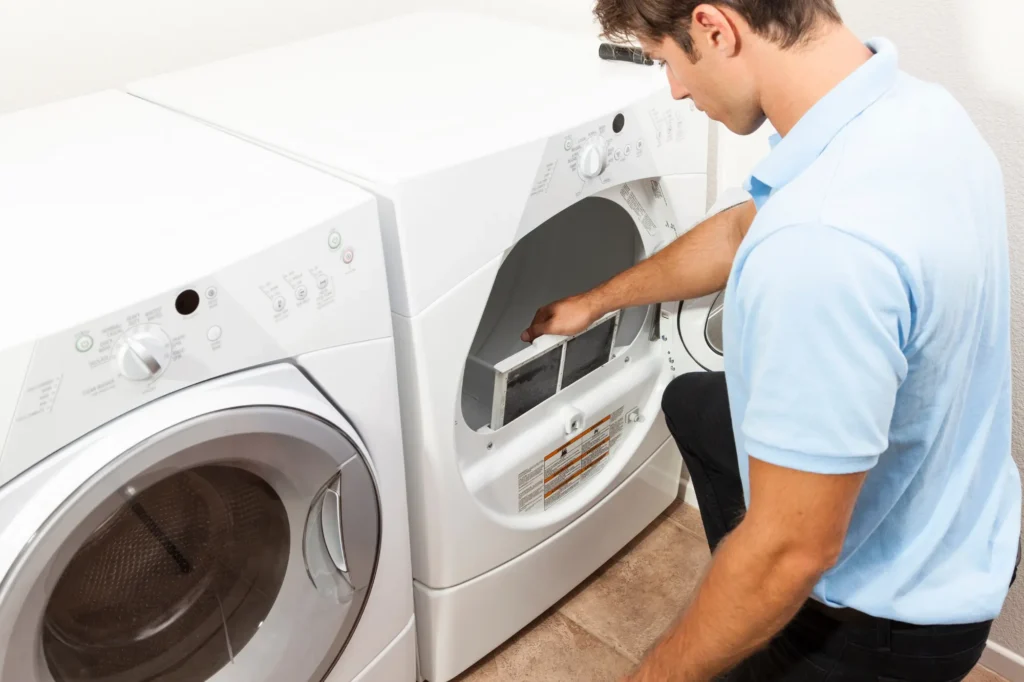
Emergency repair services in Al Shindagha provide fast response and same-day solutions to minimize inconvenience.
Repair vs Replacement – What’s Better?
- Repair is better if:
- Appliance is less than 8–10 years old
- Repair cost is affordable
- Replacement is better if:
- Frequent breakdowns occur
- Repair costs are too high
Frequently Asked Questions
How long does dryer repair take?
Dryer repair time depends on the type and severity of the issue. Minor problems such as cleaning filters, fixing loose connections, or replacing small components can usually be completed within a few hours. However, more complex issues like motor failure or control board faults may take 1–2 days. The availability of spare parts also affects repair time. A professional technician will provide an estimated timeline after diagnosing the problem.
Can I fix my dryer myself?
You can handle basic maintenance tasks like cleaning the lint filter, checking the power supply, or ensuring proper ventilation. These simple steps can improve performance and prevent minor issues. However, technical problems involving electrical parts, motors, or sensors require professional expertise. Attempting complex repairs without proper knowledge can cause further damage or safety risks. It’s always safer to call a qualified technician for major repairs.
Why is my dryer overheating?
Dryer overheating is commonly caused by blocked airflow due to a clogged lint filter or obstructed ventilation ducts. When hot air cannot circulate properly, heat builds up inside the machine. A faulty thermostat or temperature sensor can also fail to regulate heat correctly. Overloading the dryer may further contribute to overheating issues. Regular cleaning and timely maintenance help prevent this problem.
Are spare parts available?
Yes, spare parts for dryers are widely available through professional repair services. Technicians usually use genuine parts to ensure durability and proper functioning of the appliance. Using original components helps maintain the efficiency and lifespan of the dryer. Availability may vary depending on the model, but most common parts are easily accessible. Reliable service providers can quickly source and install the required components.
Do repairs come with warranty?
Most professional dryer repair services offer a warranty on both parts and labor. This ensures that if the same issue occurs again within the warranty period, it will be fixed without extra charges. Warranty coverage reflects the quality and reliability of the repair service. The duration of the warranty may vary depending on the provider and type of repair. Always confirm warranty terms before proceeding with the service.
Call to Action
Don’t let a faulty dryer disrupt your daily routine. Whether your Indesit dryer is not heating, making noise, or showing error codes, expert Indesit cloth dryer repair Al Shindagha services are ready to help.
Contact professional technicians today for fast, reliable, and affordable repair solutions at your doorstep. Restore your appliance’s performance and enjoy hassle-free laundry every day.
A cloth dryer is an essential appliance in modern homes, especially in areas like Al Shindagha where convenience and efficiency are priorities. Indesit dryers are known for their reliability, but like any machine, they require proper care and timely repairs to function optimally.
Professional Indesit cloth dryer repair Al Shindagha services ensure accurate diagnosis, safe repairs, and long-lasting performance. By understanding common issues, recognizing warning signs, and following preventive maintenance practices, you can keep your dryer running smoothly for years.